Monday, March 23, 2026
Home Blog Page 578

Alcoholic beverages sector limps back to normalcy with production and distribution stabilizing

0

[ad_1]

As the severity of the COVID-19 pandemic eases, thanks to the vaccine rollout, a revival of growth in the alcoholic beverage (alcobev) sector is expected with production largely back on track, and the distribution network normalising, says a report by AnandRathi, a financial services company.

Also, as per the report, as the intensity of the pandemic eases, overall mobility would further improve, thereby increasing consumption of alcobevs.

After a challenging operating environment of the last three-four years, the industry context for the alcobev sector is turning favourable, aided by supply-chain normalisation, stable to soft input costs and likely less irrational taxation, says the report

AnandRathi is expecting normal operations in 2022-23 fiscal. “With the greater revenue assurance, we expect valuations to be buoyant. Besides, receding regulatory risks (likelihood of a relatively rational taxation regime), we believe, should result in a healthy recovery in volume growth in FY22 and FY23.”

According to the report, alcobev volumes have progressively recovered especially in key markets — Karnataka, Uttar Pradesh, Maharashtra, Kerala, and Tamil Nadu — on normalised supply chain post-COVID-19 restrictions. Regulatory risks have been receding with the partial or full rollbacks of the Covid-19 cess and favourable excise-policy recommendations in select states.

AnandRathi expects volume CAGRs of 12-13 per cent over 2021-23 fiscal for alcobev players.

Volume recovery, easier input costs to boost margins

AnandRathi also expects the operating margins to improve and return to mid-teen levels for alcobevs, aided by softer costs (stable ENA prices, moderate barley prices), recovery in premium products, and operating leverage.

Competition unlikely to be less intense

Competition in the P&A spirits category is intensifying with Pernod Ricard, India, firming up brand spends and mid-size manufacturers expanding their range. In beer, with softer input costs, competition could hot up. United Breweries, however, in terms of scale and balance-sheet strength, is better set to tackle the competition.

Macro-economic tailwinds point to growth potential

In terms of macro-economic drivers, opportunities for growth appear healthy for the alcobev segment in India. The market here has sufficient drivers: a young demographic (median age: 28 years), an increasing number of people entering legal drinking age (15m/year), low per-capita consumption and premiumisation potential on the shift from illicit liquor to branded alcobevs. Further, per-capita consumption of beer/India-made Foreign Liquor (IMFL) in India is lower than in emerging and developed markets.

Out-of-home consumption gradually recovering

The COVID-19 outbreak had severely struck the alcobev sector, completely halting supply chains, as it is non-essential commodity. The opening up of its distribution channels was slower than those of staples and other discretionary products. However, with the phased unlocking of the economy, restrictions on manufacturing and distribution eased for this segment, and by October 2021, most off-premises channels were open and hotels, restaurants and bars were allowed to function with certain restrictions.

This resulted in progressive recovery in volumes of alcobev players sequentially.

The Out-of-home (OOH) consumption was considerably affected in the first six months of 2021 fiscal. Also, restrictions on number of guests at weddings and lack of corporate conferences further hurt the overall outdoor consumption of alcobevs. However, bars and restaurants were allowed to reopen gradually from around October 2021, though at 50 per cent capacity and with other social-distancing norms.

According to the report, 85-90 per cent of the on-premises channel is now operational.

The pace of recovery of IMFL manufacturers, however, has been better than that of beer manufacturers as the cold beverage is bulkier and less preferred during the pandemic.

Sales volumes of alcoholic-spirit manufacturers are back to pre-COVID levels, and AnandRathi expects United Breweries’ sales volumes to hit pre-COVID levels by the end of March 2021.

The Indian beer category is tightly consolidated. The top three enjoy a commanding 90 per cent of the domestic beer market. United Breweries dominates with a 51 per cent market share, while Carlsberg and ABinBev (including SAB Miller) take 18-20 per cent each of the market.

[ad_2]

The above news was originally posted on www.cnbctv18.com
Tables turn for the liquor sector

0

[ad_1]

After the challenging operating environment, the industry sentiment for the alcoholic beverages sector is turning favourable. This aided by supply chain normalcy, stable input costs, unlocking of the economy and lower tax burden.

There has been a gradual recovery in out-of-home consumption of alcoholic beverages. After being affected in the first half of the financial year (FY) 2021, this will drive further volume growth in the coming quarters.

Recovery trends visible

The Covid pandemic slowed the growth of the economy and completely halted the supply chains. As products were deemed as non-essential, the opening up of its distribution channels were slower. This compared to those in essential categories.

But, with the phased unlocking of the economy, restrictions on the manufacturing and distribution eased. By the end of the first half of FY21, most of the channels were opened and allowed to function with certain restrictions.

This resulted in progressive recovery in volumes of alcobev players on a sequential basis. Besides, the recovery was slow because of fewer operating hours and night curfew.

[ad_2]

The above news was originally posted on www.freepressjournal.in

Alcoholic beverages sector limps back to normalcy with production and distribution stabilizing

0

[ad_1]

As the severity of the COVID-19 pandemic eases, thanks to the vaccine rollout, a revival of growth in the alcoholic beverage (alcobev) sector is expected with production largely back on track, and the distribution network normalising, says a report by AnandRathi, a financial services company.

Also, as per the report, as the intensity of the pandemic eases, overall mobility would further improve, thereby increasing consumption of alcobevs.

After a challenging operating environment of the last three-four years, the industry context for the alcobev sector is turning favourable, aided by supply-chain normalisation, stable to soft input costs and likely less irrational taxation, says the report

AnandRathi is expecting normal operations in 2022-23 fiscal. “With the greater revenue assurance, we expect valuations to be buoyant. Besides, receding regulatory risks (likelihood of a relatively rational taxation regime), we believe, should result in a healthy recovery in volume growth in FY22 and FY23.”

According to the report, alcobev volumes have progressively recovered especially in key markets — Karnataka, Uttar Pradesh, Maharashtra, Kerala, and Tamil Nadu — on normalised supply chain post-COVID-19 restrictions. Regulatory risks have been receding with the partial or full rollbacks of the Covid-19 cess and favourable excise-policy recommendations in select states.

AnandRathi expects volume CAGRs of 12-13 per cent over 2021-23 fiscal for alcobev players.

Volume recovery, easier input costs to boost margins

AnandRathi also expects the operating margins to improve and return to mid-teen levels for alcobevs, aided by softer costs (stable ENA prices, moderate barley prices), recovery in premium products, and operating leverage.

Competition unlikely to be less intense

Competition in the P&A spirits category is intensifying with Pernod Ricard, India, firming up brand spends and mid-size manufacturers expanding their range. In beer, with softer input costs, competition could hot up. United Breweries, however, in terms of scale and balance-sheet strength, is better set to tackle the competition.

Macro-economic tailwinds point to growth potential

In terms of macro-economic drivers, opportunities for growth appear healthy for the alcobev segment in India. The market here has sufficient drivers: a young demographic (median age: 28 years), an increasing number of people entering legal drinking age (15m/year), low per-capita consumption and premiumisation potential on the shift from illicit liquor to branded alcobevs. Further, per-capita consumption of beer/India-made Foreign Liquor (IMFL) in India is lower than in emerging and developed markets.

Out-of-home consumption gradually recovering

The COVID-19 outbreak had severely struck the alcobev sector, completely halting supply chains, as it is non-essential commodity. The opening up of its distribution channels was slower than those of staples and other discretionary products. However, with the phased unlocking of the economy, restrictions on manufacturing and distribution eased for this segment, and by October 2021, most off-premises channels were open and hotels, restaurants and bars were allowed to function with certain restrictions.

This resulted in progressive recovery in volumes of alcobev players sequentially.

The Out-of-home (OOH) consumption was considerably affected in the first six months of 2021 fiscal. Also, restrictions on number of guests at weddings and lack of corporate conferences further hurt the overall outdoor consumption of alcobevs. However, bars and restaurants were allowed to reopen gradually from around October 2021, though at 50 per cent capacity and with other social-distancing norms.

According to the report, 85-90 per cent of the on-premises channel is now operational.

The pace of recovery of IMFL manufacturers, however, has been better than that of beer manufacturers as the cold beverage is bulkier and less preferred during the pandemic.

Sales volumes of alcoholic-spirit manufacturers are back to pre-COVID levels, and AnandRathi expects United Breweries’ sales volumes to hit pre-COVID levels by the end of March 2021.

The Indian beer category is tightly consolidated. The top three enjoy a commanding 90 per cent of the domestic beer market. United Breweries dominates with a 51 per cent market share, while Carlsberg and ABinBev (including SAB Miller) take 18-20 per cent each of the market.

[ad_2]

The above news was originally posted on www.cnbctv18.com
Tables turn for the liquor sector

0

[ad_1]

After the challenging operating environment, the industry sentiment for the alcoholic beverages sector is turning favourable. This aided by supply chain normalcy, stable input costs, unlocking of the economy and lower tax burden.

There has been a gradual recovery in out-of-home consumption of alcoholic beverages. After being affected in the first half of the financial year (FY) 2021, this will drive further volume growth in the coming quarters.

Recovery trends visible

The Covid pandemic slowed the growth of the economy and completely halted the supply chains. As products were deemed as non-essential, the opening up of its distribution channels were slower. This compared to those in essential categories.

But, with the phased unlocking of the economy, restrictions on the manufacturing and distribution eased. By the end of the first half of FY21, most of the channels were opened and allowed to function with certain restrictions.

This resulted in progressive recovery in volumes of alcobev players on a sequential basis. Besides, the recovery was slow because of fewer operating hours and night curfew.

[ad_2]

The above news was originally posted on www.freepressjournal.in

International Women’s Day: ‘CEOs Need To Be Accountable For Diversity In Cos’ – The Economic Times Video

0

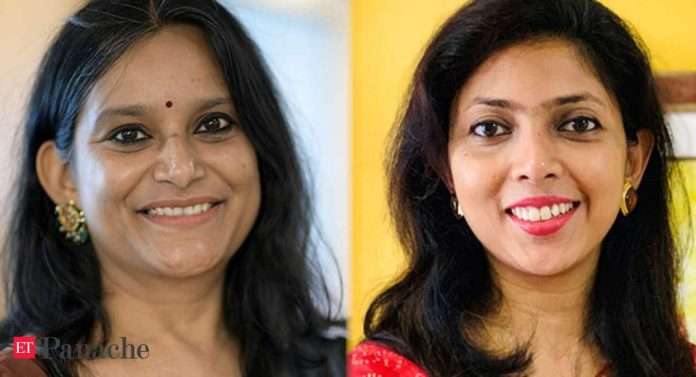
Abanti Sankaranarayanan, Chief Strategy & Corporate Affairs Officer, Diageo India, and Ipsita Das, MD, Moët Hennessy India, are shattering stereotypes, leading international alcobev giants – often considered a male-dominated industry – in the country.

Talking about gender parity and the challenges one faces, Das says she did have to face some eyes rolling when she got the job,and also recalls having to use the men’s washroom for three years during her time at a logistics firm due to lack of a women’s restroom, but she does see brighter days ahead for women in the workforce.

Sankaranarayanan, who has been in the industry for over a decade and was previously the MD at Diageo India (2012-’15), says the one thing required to ensure a more equal world is for women to stay in the game. Watch now.

The above news was originally posted on economictimes.indiatimes.com

‘Charting a wine career in India came with unique set of challenges,’ says Sonal Holland, Founder-SoHo Wine Club

0

[ad_1]

I founded the Sonal Holland Wine Academy in 2009 that offers certified WSET wine and spirit courses, which has since completed over a decade in the business of education. I had set up SoHo Wine Club in 2016 to demystify wines to budding oenophiles in a land of whiskey lovers. We curate a fab collection of wines and experiences for the most discerning palates in India.

You have spearheaded the groundbreaking initiative of India Wine Insider. Please tell us more about it.

India Wine Insider, in collaboration with London-based Wine Intelligence, is the country’s most comprehensive survey on the urban Indian wine consumer. The initiative spearheaded by Sonal Holland Wine Academy in 2017, with this research-backed knowledge paper gives an invaluable glimpse into the awareness, attitudes, and usage of wine among domestic wine drinkers. The India Wine Insider report uncovers prevailing consumer realities and identifies future growth opportunities beneficial for the Indian and international wine trade, and hoteliers, to make informed decisions.

Considering India has more of whiskey lovers, has the concept of classy wine drinking really picked up?

Wine has had a somewhat tumultuous journey in India; it’s been considered an elitist and expensive beverage choice. Over the years, however, thanks to the efforts of local wine makers, wine has become more of a household name in our country, as well as much more accessible. What’s more, wine is widely touted for its health benefits (when enjoyed in moderation, of course), which makes it a more attractive option for those who are conscious about their health.

[ad_2]

The above news was originally posted on www.freepressjournal.in

International Women’s Day: ‘CEOs Need To Be Accountable For Diversity In Cos’ – The Economic Times Video

0

Abanti Sankaranarayanan, Chief Strategy & Corporate Affairs Officer, Diageo India, and Ipsita Das, MD, Moët Hennessy India, are shattering stereotypes, leading international alcobev giants – often considered a male-dominated industry – in the country.

Talking about gender parity and the challenges one faces, Das says she did have to face some eyes rolling when she got the job,and also recalls having to use the men’s washroom for three years during her time at a logistics firm due to lack of a women’s restroom, but she does see brighter days ahead for women in the workforce.

Sankaranarayanan, who has been in the industry for over a decade and was previously the MD at Diageo India (2012-’15), says the one thing required to ensure a more equal world is for women to stay in the game. Watch now.

The above news was originally posted on economictimes.indiatimes.com

‘Charting a wine career in India came with unique set of challenges,’ says Sonal Holland, Founder-SoHo Wine Club

0

[ad_1]

I founded the Sonal Holland Wine Academy in 2009 that offers certified WSET wine and spirit courses, which has since completed over a decade in the business of education. I had set up SoHo Wine Club in 2016 to demystify wines to budding oenophiles in a land of whiskey lovers. We curate a fab collection of wines and experiences for the most discerning palates in India.

You have spearheaded the groundbreaking initiative of India Wine Insider. Please tell us more about it.

India Wine Insider, in collaboration with London-based Wine Intelligence, is the country’s most comprehensive survey on the urban Indian wine consumer. The initiative spearheaded by Sonal Holland Wine Academy in 2017, with this research-backed knowledge paper gives an invaluable glimpse into the awareness, attitudes, and usage of wine among domestic wine drinkers. The India Wine Insider report uncovers prevailing consumer realities and identifies future growth opportunities beneficial for the Indian and international wine trade, and hoteliers, to make informed decisions.

Considering India has more of whiskey lovers, has the concept of classy wine drinking really picked up?

Wine has had a somewhat tumultuous journey in India; it’s been considered an elitist and expensive beverage choice. Over the years, however, thanks to the efforts of local wine makers, wine has become more of a household name in our country, as well as much more accessible. What’s more, wine is widely touted for its health benefits (when enjoyed in moderation, of course), which makes it a more attractive option for those who are conscious about their health.

[ad_2]

The above news was originally posted on www.freepressjournal.in

Pickup after Hiccup

0

[ad_1]

While this month is usually celebrated as Dry January as an attempt to spend at least one month in the year sans spirits (of the bottled variety), after 2020 having finally finished, we could all use a drink. Distillers, breweries, vineyards, and the people who run them are inclined to agree, and are more than happy to top off your glass of liquor, beer and/or wine.

Wine Not?
“FY21 is looking very good. We took advantage of the downtime to streamline our operations and conduct our business to put Sula on a much stronger trajectory. Consumers prefer the strongest, most trusted brands in these uncertain times and we have benefited from that with gains in market share across the country,” notes Chaitanya Rathi, COO, Sula Vineyards.

Sonal Holland, India’s only Master of Wine who is the Founder of SoHo Wine Club and Sonal Holland Wine Academy, chimes in: “I see premium wine purchases continuing through 2021, with the wealthy even looking to trade up, and splurge more than usual on their wines and other luxury beverages.”

That being said, vintners are also reaching out to the youth in a bid to shed that rarefied tag that wine holds. “With the recent introduction of wine in cans by Sula and Fratelli, the Indian consumer, who is younger and not as experienced in the world of wines, will have more opportunities to try and enjoy wines in 2021,” points out Holland.

“There is an explosion of ready-to-drink (RTD) beverages, which makes alcohol accessible for any occasion. This bubbly and refreshing drink needs no mixers, corkscrews, or swirling. It is easy to carry and crack open straight from the fridge,” agrees Rathi, while adding, “Wine has also made its way to OTT streaming platforms on popular web series like Mirzapur, and there’s a growing demand in Tier-II and III cities. It also garners support from the government as an agricultural product. Efforts by the PM’s Atmanirbhar Bharat initiative have seen the acceptance of locally made wines.”

Grin and Beer It
Speaking of Made in India, another segment of alcohol, locally-made craft beer, has plenty to cheer about as well. For instance, craft beer start-up Kimaya Himalayan, recently launched two homegrown barley-based brews — BeeYoung and Yavira, which are already selling across India and abroad. Founder & CEO Abhinav Jindal observes that the Indian audience is opening up to more complex flavours in the craft beer market rather than succumbing to the age-old, traditional flavours.

“Due to this change, there has been considerable innovation and experimentation in terms of various brews being concocted with the help of varied ingredients used to meet this new change in attitude and taste,” he reasons. Indeed, the craft beer space has definitely been hopping. Beor360, which was launched after much delay in September last year, under the aegis of Delhi-based BrewKing Beverages, founded by Rishabh Ranjan and Amit Tiwari, is available only in Gurugram and Delhi, but will expand to Uttar Pradesh and other states in the coming weeks. 

However, Rohan Khare, Founder & CEO, Bad Monkey Beer, notes that “India is at the bottom in the list of per-capita beer consumption around the globe. Indians drink to get high, and our taxation system makes beer much more expensive as compared to hard liquor available at a lower per-ml-alcohol cost to the consumer.”

There does seem to be some leeway to this with Jindal and Ranjan pointing out that Indian states have become more incentivised to make things easier for alcohol manufacturers as governments’ coffers are running dry. Khare agrees, saying “Uttar Pradesh recently announced slashing of excise duty on beer from 280 per cent to 200 per cent for the next financial year, which is a welcome step, and hopefully one that other authorities will also take. State excises should allow some direct interactions with consumers, which might positively impact sales thus government revenue.”

Spirited Away
This literal spirit of cooperation between manufacturers and state and national governing bodies is also being seen as vital for the makers of hard liquors, especially given the country’s propensity for their particular range of products. “Like other sectors, the liquor industry also suffered hard loss in 2020, and various taxes were imposed by the state governments during the lockdown. However, from October ’20 onwards, the liquor industry almost managed to resume its production and sales to the same level of 2019-20,” points out Ashu Ratan Khare, Director, Rock & Storm Distilleries.

“To bring customers and sales back to pre-Covid figures, liquor companies were required to focus on the cooperation of the respective state’s excise duties, licensing fees and other state tax levies that changed due to Covid-19. Since liquor taxes/duties contributed to the third position (after GST and Sales Tax/VAT) in state exchequer, state governments were very keen to boost liquor sales in their states, which has helped the liquor industry bounce back in 2021.”

That’s not to say it’s all on the government. Industry experts say that companies have also stepped up their game. Holland asserts, “Marketing, especially in the digital space, has been steadily growing in significance over the last few years. Now more than ever, companies in the alcobev space need to embrace the power of digital marketing, and not only rely on in-store visibility.

Khare concludes, “Although the pandemic was challenging, the industry should take it as a motivational factor to apply new innovative ideas and processes. Procedures such as production, packaging, sales and distribution channels, marketing, and duty structures should be considered to let the once-booming industry grow and spread in a diverse country with massive potential.”

Chin-Chin!


[ad_2]

The above news was originally posted on www.newindianexpress.com

Pickup after Hiccup

0

[ad_1]

While this month is usually celebrated as Dry January as an attempt to spend at least one month in the year sans spirits (of the bottled variety), after 2020 having finally finished, we could all use a drink. Distillers, breweries, vineyards, and the people who run them are inclined to agree, and are more than happy to top off your glass of liquor, beer and/or wine.

Wine Not?
“FY21 is looking very good. We took advantage of the downtime to streamline our operations and conduct our business to put Sula on a much stronger trajectory. Consumers prefer the strongest, most trusted brands in these uncertain times and we have benefited from that with gains in market share across the country,” notes Chaitanya Rathi, COO, Sula Vineyards.

Sonal Holland, India’s only Master of Wine who is the Founder of SoHo Wine Club and Sonal Holland Wine Academy, chimes in: “I see premium wine purchases continuing through 2021, with the wealthy even looking to trade up, and splurge more than usual on their wines and other luxury beverages.”

That being said, vintners are also reaching out to the youth in a bid to shed that rarefied tag that wine holds. “With the recent introduction of wine in cans by Sula and Fratelli, the Indian consumer, who is younger and not as experienced in the world of wines, will have more opportunities to try and enjoy wines in 2021,” points out Holland.

“There is an explosion of ready-to-drink (RTD) beverages, which makes alcohol accessible for any occasion. This bubbly and refreshing drink needs no mixers, corkscrews, or swirling. It is easy to carry and crack open straight from the fridge,” agrees Rathi, while adding, “Wine has also made its way to OTT streaming platforms on popular web series like Mirzapur, and there’s a growing demand in Tier-II and III cities. It also garners support from the government as an agricultural product. Efforts by the PM’s Atmanirbhar Bharat initiative have seen the acceptance of locally made wines.”

Grin and Beer It
Speaking of Made in India, another segment of alcohol, locally-made craft beer, has plenty to cheer about as well. For instance, craft beer start-up Kimaya Himalayan, recently launched two homegrown barley-based brews — BeeYoung and Yavira, which are already selling across India and abroad. Founder & CEO Abhinav Jindal observes that the Indian audience is opening up to more complex flavours in the craft beer market rather than succumbing to the age-old, traditional flavours.

“Due to this change, there has been considerable innovation and experimentation in terms of various brews being concocted with the help of varied ingredients used to meet this new change in attitude and taste,” he reasons. Indeed, the craft beer space has definitely been hopping. Beor360, which was launched after much delay in September last year, under the aegis of Delhi-based BrewKing Beverages, founded by Rishabh Ranjan and Amit Tiwari, is available only in Gurugram and Delhi, but will expand to Uttar Pradesh and other states in the coming weeks. 

However, Rohan Khare, Founder & CEO, Bad Monkey Beer, notes that “India is at the bottom in the list of per-capita beer consumption around the globe. Indians drink to get high, and our taxation system makes beer much more expensive as compared to hard liquor available at a lower per-ml-alcohol cost to the consumer.”

There does seem to be some leeway to this with Jindal and Ranjan pointing out that Indian states have become more incentivised to make things easier for alcohol manufacturers as governments’ coffers are running dry. Khare agrees, saying “Uttar Pradesh recently announced slashing of excise duty on beer from 280 per cent to 200 per cent for the next financial year, which is a welcome step, and hopefully one that other authorities will also take. State excises should allow some direct interactions with consumers, which might positively impact sales thus government revenue.”

Spirited Away
This literal spirit of cooperation between manufacturers and state and national governing bodies is also being seen as vital for the makers of hard liquors, especially given the country’s propensity for their particular range of products. “Like other sectors, the liquor industry also suffered hard loss in 2020, and various taxes were imposed by the state governments during the lockdown. However, from October ’20 onwards, the liquor industry almost managed to resume its production and sales to the same level of 2019-20,” points out Ashu Ratan Khare, Director, Rock & Storm Distilleries.

“To bring customers and sales back to pre-Covid figures, liquor companies were required to focus on the cooperation of the respective state’s excise duties, licensing fees and other state tax levies that changed due to Covid-19. Since liquor taxes/duties contributed to the third position (after GST and Sales Tax/VAT) in state exchequer, state governments were very keen to boost liquor sales in their states, which has helped the liquor industry bounce back in 2021.”

That’s not to say it’s all on the government. Industry experts say that companies have also stepped up their game. Holland asserts, “Marketing, especially in the digital space, has been steadily growing in significance over the last few years. Now more than ever, companies in the alcobev space need to embrace the power of digital marketing, and not only rely on in-store visibility.

Khare concludes, “Although the pandemic was challenging, the industry should take it as a motivational factor to apply new innovative ideas and processes. Procedures such as production, packaging, sales and distribution channels, marketing, and duty structures should be considered to let the once-booming industry grow and spread in a diverse country with massive potential.”

Chin-Chin!


[ad_2]

The above news was originally posted on www.newindianexpress.com

Social Media Auto Publish Powered By : XYZScripts.com