Monday, March 23, 2026
Home Blog Page 2

SOM Distilleries’ Sunny Beaches Beer Gains Rapid Popularity in Karnataka

0

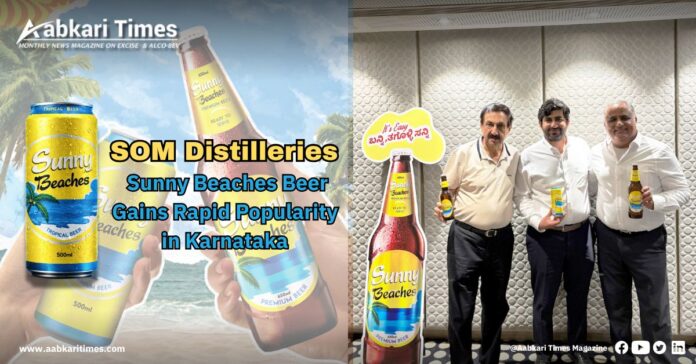
SOM Distilleries and Breweries has launched its new beer brand Sunny Beaches, which is quickly making a strong impact in Karnataka’s competitive beer market.
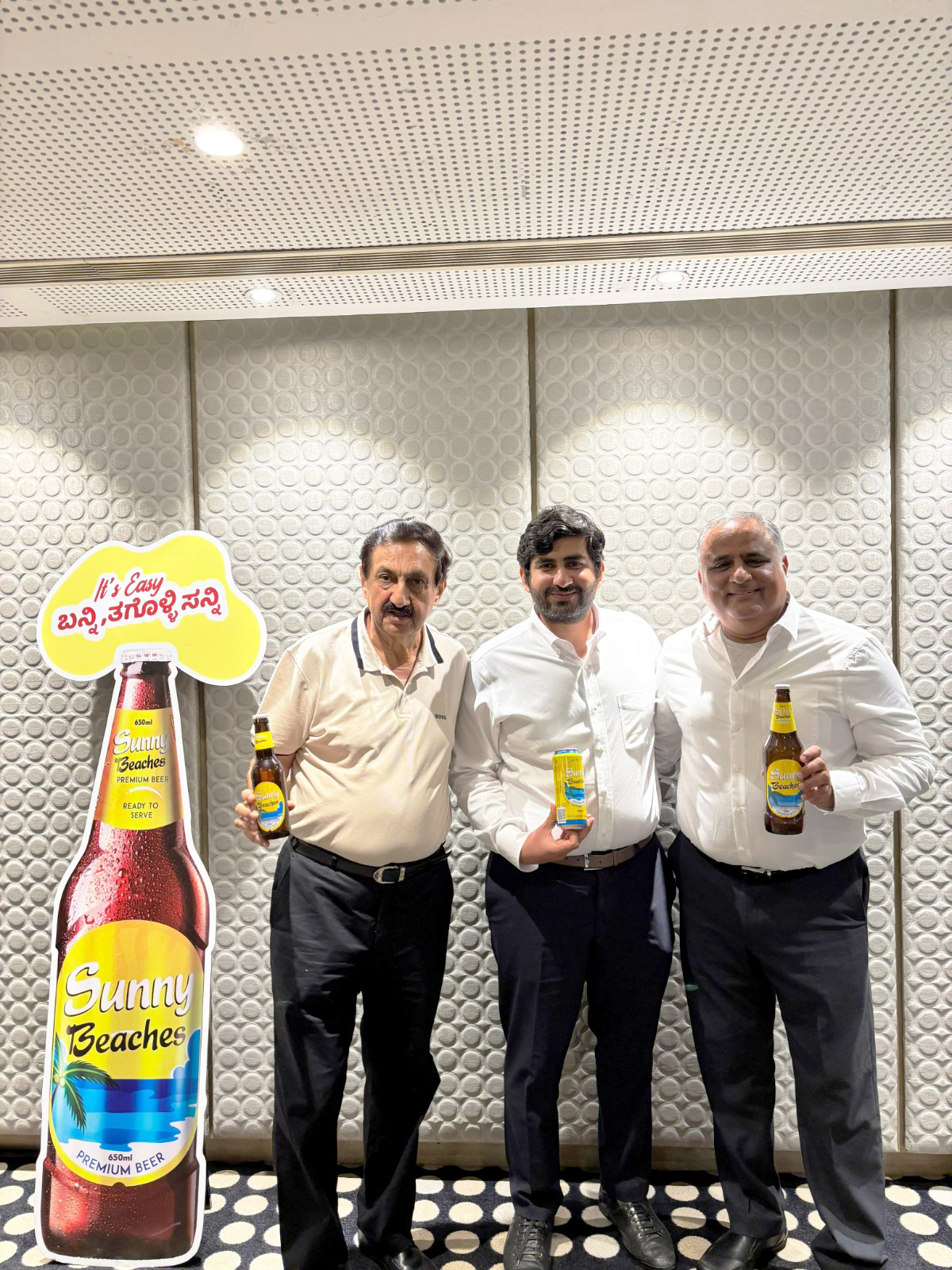
Introduced by Woodpecker Distilleries and Breweries (a subsidiary of SOM Group), the brand has seen impressive growth within just a few months of launch. It has already captured over 3% market share in the state and sold more than 12 lakh bottles in February 2026 alone—outperforming several established beer brands.

Currently available across key cities like Bengaluru, Mangaluru, Mysuru, and Belagavi, the brand is estimated to have been tried by over 10 lakh consumers so far.

One of the key reasons behind its fast adoption is its premium positioning at affordable pricing. A 650 ml bottle is priced at around ₹100, making it attractive for consumers looking for good quality beer at a reasonable price.

The brand’s growth is not just driven by initial curiosity. Strong repeat purchases, positive word-of-mouth, and high demand from retailers suggest that consumers genuinely like the product. Many sellers have reported faster sales compared to other recently launched beer brands.
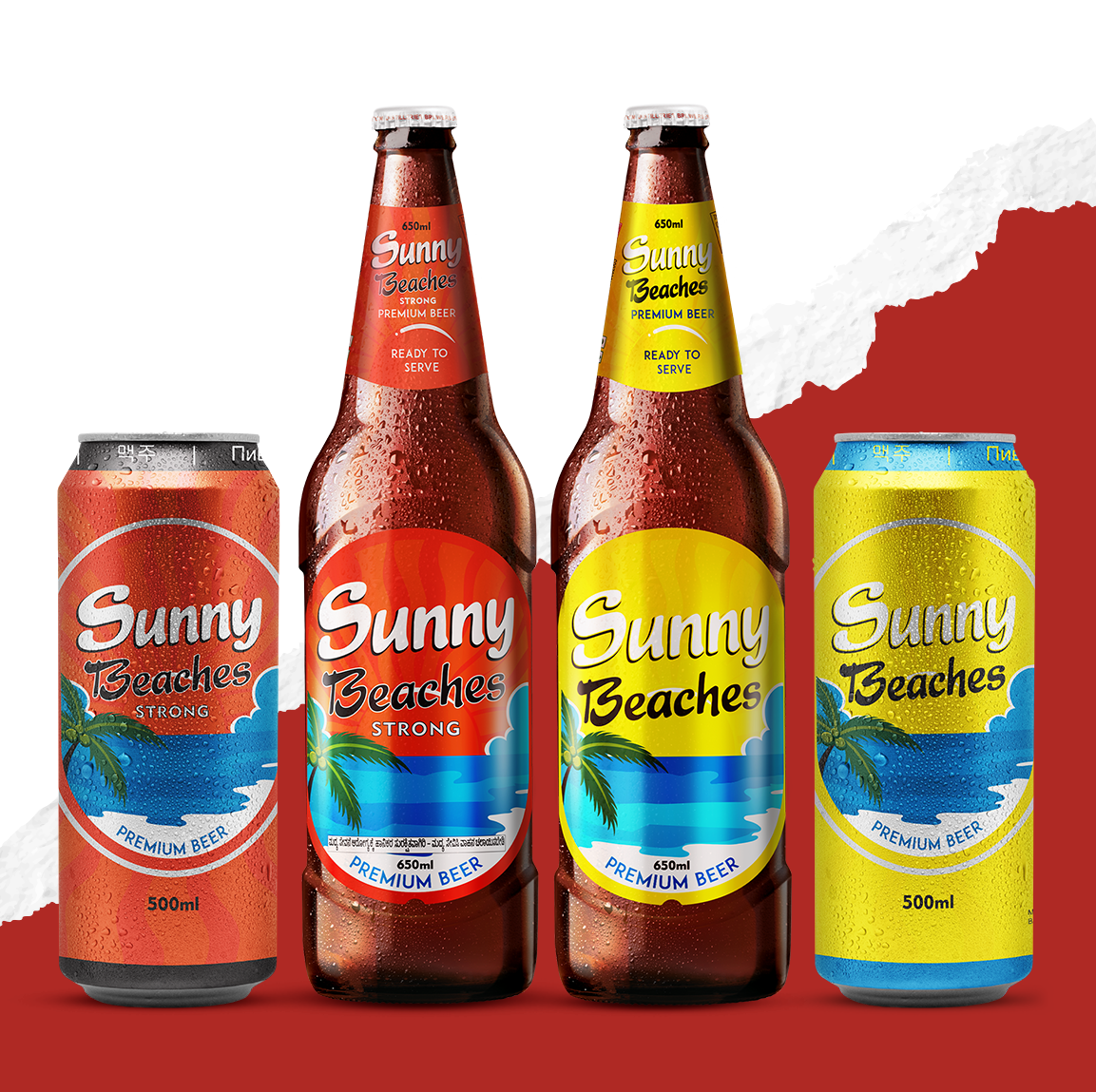
A standout feature of Sunny Beaches is its innovative “Chill Indicator”—a special colour-changing patch on the bottle that shows when the beer has reached the ideal drinking temperature of 0–5°C. This unique feature has especially appealed to young urban consumers.

Commenting on the success, COO Diwakaran Suryanarayana said the brand was created with a focus on taste, balance, and easy drinkability. He added that the strong response shows Indian consumers are ready to embrace high-quality, homegrown beer brands.

Currently, Sunny Beaches is available in around 8,000 outlets, including bars, wine shops, clubs, and premium retail stores. The company plans to expand this to 11,000–12,000 outlets during the upcoming summer season.

The brand’s popularity also reflects a shift in consumer preference, especially among younger drinkers, who are increasingly choosing modern Indian brands with strong identity and good taste over traditional legacy labels.

To expand its reach further, the company has also launched Sunny Beaches Strong Premium Beer, targeting the larger strong beer segment in Karnataka. This new variant is priced slightly higher, starting at around ₹105 for a 650 ml bottle.

With strong early momentum, Sunny Beaches is emerging as one of the fastest-growing new beer brands in the state.
SOM Distilleries’ Sunny Beaches Beer Gains Rapid Popularity in Karnataka

0

SOM Distilleries and Breweries has launched its new beer brand Sunny Beaches, which is quickly making a strong impact in Karnataka’s competitive beer market.

Introduced by Woodpecker Distilleries and Breweries (a subsidiary of SOM Group), the brand has seen impressive growth within just a few months of launch. It has already captured over 3% market share in the state and sold more than 12 lakh bottles in February 2026 alone—outperforming several established beer brands.

Currently available across key cities like Bengaluru, Mangaluru, Mysuru, and Belagavi, the brand is estimated to have been tried by over 10 lakh consumers so far.

One of the key reasons behind its fast adoption is its premium positioning at affordable pricing. A 650 ml bottle is priced at around ₹100, making it attractive for consumers looking for good quality beer at a reasonable price.

The brand’s growth is not just driven by initial curiosity. Strong repeat purchases, positive word-of-mouth, and high demand from retailers suggest that consumers genuinely like the product. Many sellers have reported faster sales compared to other recently launched beer brands.

A standout feature of Sunny Beaches is its innovative “Chill Indicator”—a special colour-changing patch on the bottle that shows when the beer has reached the ideal drinking temperature of 0–5°C. This unique feature has especially appealed to young urban consumers.

Commenting on the success, COO Diwakaran Suryanarayana said the brand was created with a focus on taste, balance, and easy drinkability. He added that the strong response shows Indian consumers are ready to embrace high-quality, homegrown beer brands.

Currently, Sunny Beaches is available in around 8,000 outlets, including bars, wine shops, clubs, and premium retail stores. The company plans to expand this to 11,000–12,000 outlets during the upcoming summer season.

The brand’s popularity also reflects a shift in consumer preference, especially among younger drinkers, who are increasingly choosing modern Indian brands with strong identity and good taste over traditional legacy labels.

To expand its reach further, the company has also launched Sunny Beaches Strong Premium Beer, targeting the larger strong beer segment in Karnataka. This new variant is priced slightly higher, starting at around ₹105 for a 650 ml bottle.

With strong early momentum, Sunny Beaches is emerging as one of the fastest-growing new beer brands in the state.
Delhi Extends Existing Liquor Policy for 2026–27

0

The Delhi Government has decided to continue its current liquor policy for another year, as work on a new excise framework is still underway.

According to officials, the excise department has approved the extension of the existing policy for the 2026–27 financial year. This means that retail liquor licences will be renewed, and new licences will also be issued under the same rules and conditions already in place.

The extension applies to multiple licence categories, including those for the sale of Indian-made foreign liquor (IMFL), foreign liquor, beer, and country liquor. Separate instructions for different licence types will be issued by the department.

Earlier, the government had already extended excise licences for hotels, clubs, and restaurants until March 2027 under the same policy framework.

At present, around 725 liquor shops in Delhi are operated by government-run agencies such as the Delhi Tourism and Transportation Development Corporation, Delhi State Civil Supplies Corporation, Delhi State Industrial and Infrastructure Development Corporation, and Delhi Consumers’ Cooperative Wholesale Stores.

ADVERTISMENT

The current excise system has been in place since 2022–23 and has continued after the earlier policy—which allowed private players in liquor retail—was scrapped in 2022 amid allegations of irregularities.

Meanwhile, the government is working on a new excise policy aimed at ensuring better transparency and quality in liquor supply. A group of ministers has already submitted its recommendations, and a draft policy is expected to be introduced in the future.

Delhi Extends Existing Liquor Policy for 2026–27

0

The Delhi Government has decided to continue its current liquor policy for another year, as work on a new excise framework is still underway.

According to officials, the excise department has approved the extension of the existing policy for the 2026–27 financial year. This means that retail liquor licences will be renewed, and new licences will also be issued under the same rules and conditions already in place.

The extension applies to multiple licence categories, including those for the sale of Indian-made foreign liquor (IMFL), foreign liquor, beer, and country liquor. Separate instructions for different licence types will be issued by the department.

Earlier, the government had already extended excise licences for hotels, clubs, and restaurants until March 2027 under the same policy framework.

At present, around 725 liquor shops in Delhi are operated by government-run agencies such as the Delhi Tourism and Transportation Development Corporation, Delhi State Civil Supplies Corporation, Delhi State Industrial and Infrastructure Development Corporation, and Delhi Consumers’ Cooperative Wholesale Stores.

ADVERTISMENT

The current excise system has been in place since 2022–23 and has continued after the earlier policy—which allowed private players in liquor retail—was scrapped in 2022 amid allegations of irregularities.

Meanwhile, the government is working on a new excise policy aimed at ensuring better transparency and quality in liquor supply. A group of ministers has already submitted its recommendations, and a draft policy is expected to be introduced in the future.

Top 10 Indian Whiskies Leading Global Sales in 2026

0

Indian whisky may not always get the same attention as Scotch or bourbon, but when it comes to sales, it dominates the global market. Many of the world’s highest-selling whisky brands are made in India, with some selling tens of millions of cases every year.

According to The Spirits Business Brand Champions report, India is now the largest whisky market in the world. A significant share of global whisky consumption comes from Indian-made brands rather than traditional whisky-producing countries like Scotland or the United States.

Here’s a simplified look at the top 10 Indian whiskies that ruled global shelves based on 2024 sales:

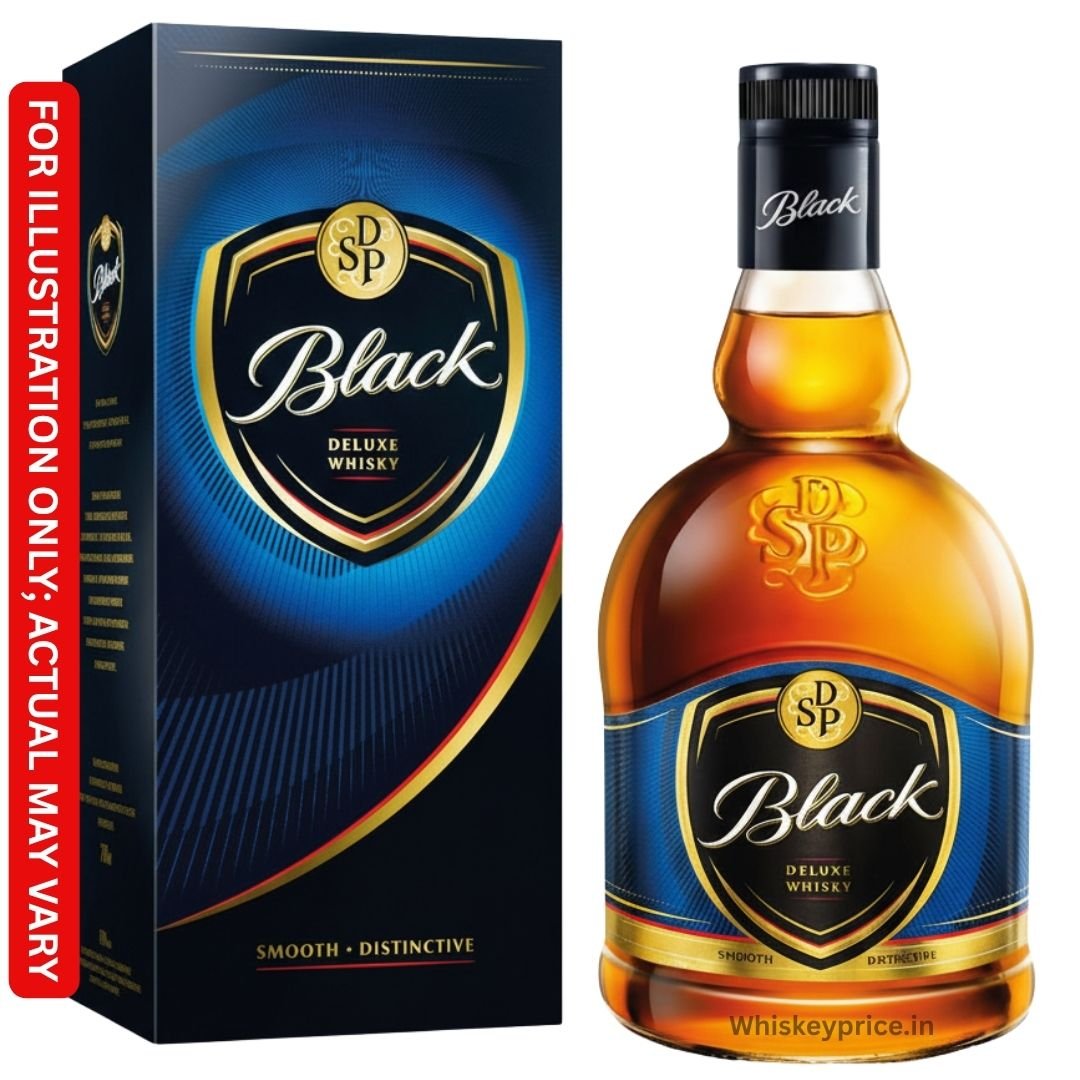
10. Director’s Special

Director's Special Black Deluxe Whisky Price In India -
Produced by United Spirits (part of Diageo), this is a popular mass-market whisky. It sold 3.6 million cases in 2024. Known for its light sweetness and easy-drinking style, it’s commonly enjoyed with soda or cola.

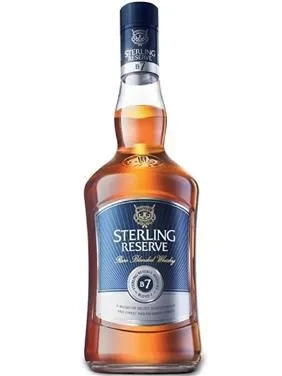
9. Sterling Reserve Premium Whisky

Sterling Reserve B7 750ML Price in India | Review | Tasting Notes |  Livcheers
Made by Allied Blenders & Distillers, this brand sold 3.9 million cases. Positioned as a slightly premium option, it offers smooth vanilla and mild oak flavours.

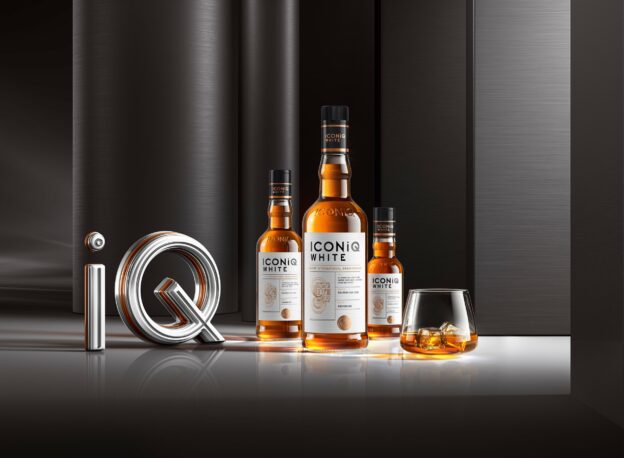
8. Iconiq White Whisky

ICONiQ White Whisky from Allied Blenders & Distiller's records 1500 %  growth, Millionaires Club hails its achievement | Ambrosia India
A fast-growing, modern brand from Allied Blenders & Distillers, Iconiq White saw a big jump to 4.5 million cases in 2024. It targets younger consumers with a light, smooth taste.

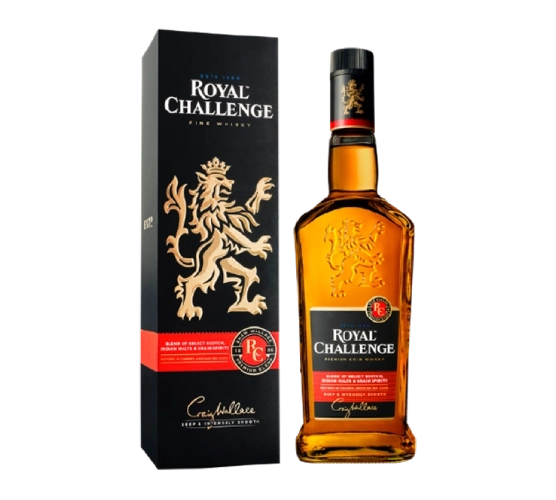
7. Royal Challenge

Royal Challenge Whisky | Diageo India
Another United Spirits brand, Royal Challenge sold 9.1 million cases. It has a richer flavour with hints of caramel, vanilla, and dried fruit, making it suitable even for drinking neat.

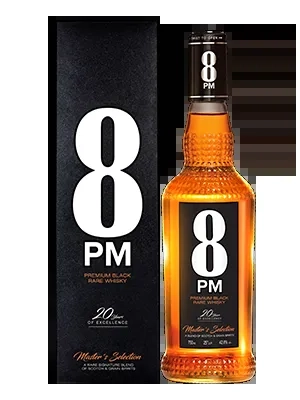
6. 8PM Whisky

8 Pm Whisky 180ML Price in India | Review | Tasting Notes | Livcheers
Produced by Radico Khaitan, 8PM sold 9.6 million cases. It’s an affordable, easy-going whisky known for its mild sweetness and wide availability.

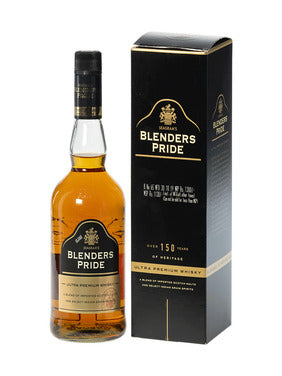
5. Blenders Pride

Blenders Pride Rare Whiskey – Bottle Store
A premium blend from Pernod Ricard, Blenders Pride sold 10.1 million cases. It offers a smoother, slightly richer taste with notes of vanilla, oak, and nuts.

4. Officer’s Choice

OFFICERS CHOICE PRESTIGE | Talli Drinks
One of the biggest whisky brands globally, Officer’s Choice sold 21.3 million cases. It’s known for its affordability and massive reach across India and export markets.

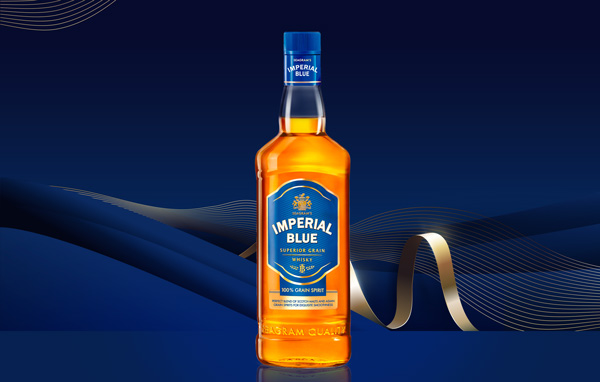
3. Imperial Blue

Imperial Blue Whisky – Tilkanagar Industries Ltd
A household name in India, Imperial Blue sold 22.9 million cases. Recently acquired by Tilaknagar Industries, it remains a strong player with a smooth, easy-drinking profile.

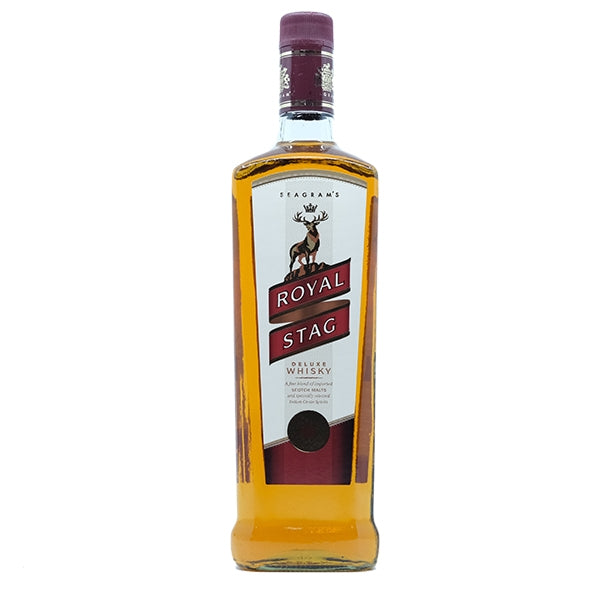
2. Royal Stag

ROYAL STAG DELUXE WHISKY 1L – GBS
Another giant from Pernod Ricard, Royal Stag sold 31 million cases in 2024. Popular among younger consumers, it combines smoothness with strong brand visibility through sports and entertainment marketing.

1. McDowell’s No.1 Whisky

McDowell's - MrDowell's No. 1 Reserve Whisky, India | prices, reviews,  stores & market trends
Topping the list, McDowell’s No.1 is the world’s best-selling whisky, with 32.2 million cases sold in 2024—outperforming global giants. Known for its consistent taste and affordability, it remains a dominant force in the market.

ADVERTISMENT

India’s Whisky Story

Most of these top-selling brands fall under the IMFL (Indian-Made Foreign Liquor) category. They are typically blends of grain spirits (often derived from molasses) and sometimes Scotch malts, designed to be affordable and consistent.

While India has gained global recognition for its premium single malts in recent years, they operate on a much smaller scale compared to these high-volume brands.

In simple terms, Indian whisky may not always be about luxury—but in terms of sheer volume and reach, it leads the world.

Top 10 Indian Whiskies Leading Global Sales in 2026

0

Indian whisky may not always get the same attention as Scotch or bourbon, but when it comes to sales, it dominates the global market. Many of the world’s highest-selling whisky brands are made in India, with some selling tens of millions of cases every year.

According to The Spirits Business Brand Champions report, India is now the largest whisky market in the world. A significant share of global whisky consumption comes from Indian-made brands rather than traditional whisky-producing countries like Scotland or the United States.

Here’s a simplified look at the top 10 Indian whiskies that ruled global shelves based on 2024 sales:

10. Director’s Special

Director's Special Black Deluxe Whisky Price In India -
Produced by United Spirits (part of Diageo), this is a popular mass-market whisky. It sold 3.6 million cases in 2024. Known for its light sweetness and easy-drinking style, it’s commonly enjoyed with soda or cola.

9. Sterling Reserve Premium Whisky

Sterling Reserve B7 750ML Price in India | Review | Tasting Notes |  Livcheers
Made by Allied Blenders & Distillers, this brand sold 3.9 million cases. Positioned as a slightly premium option, it offers smooth vanilla and mild oak flavours.

8. Iconiq White Whisky

ICONiQ White Whisky from Allied Blenders & Distiller's records 1500 %  growth, Millionaires Club hails its achievement | Ambrosia India
A fast-growing, modern brand from Allied Blenders & Distillers, Iconiq White saw a big jump to 4.5 million cases in 2024. It targets younger consumers with a light, smooth taste.

7. Royal Challenge

Royal Challenge Whisky | Diageo India
Another United Spirits brand, Royal Challenge sold 9.1 million cases. It has a richer flavour with hints of caramel, vanilla, and dried fruit, making it suitable even for drinking neat.

6. 8PM Whisky

8 Pm Whisky 180ML Price in India | Review | Tasting Notes | Livcheers
Produced by Radico Khaitan, 8PM sold 9.6 million cases. It’s an affordable, easy-going whisky known for its mild sweetness and wide availability.

5. Blenders Pride

Blenders Pride Rare Whiskey – Bottle Store
A premium blend from Pernod Ricard, Blenders Pride sold 10.1 million cases. It offers a smoother, slightly richer taste with notes of vanilla, oak, and nuts.

4. Officer’s Choice

OFFICERS CHOICE PRESTIGE | Talli Drinks
One of the biggest whisky brands globally, Officer’s Choice sold 21.3 million cases. It’s known for its affordability and massive reach across India and export markets.

3. Imperial Blue

Imperial Blue Whisky – Tilkanagar Industries Ltd
A household name in India, Imperial Blue sold 22.9 million cases. Recently acquired by Tilaknagar Industries, it remains a strong player with a smooth, easy-drinking profile.

2. Royal Stag

ROYAL STAG DELUXE WHISKY 1L – GBS
Another giant from Pernod Ricard, Royal Stag sold 31 million cases in 2024. Popular among younger consumers, it combines smoothness with strong brand visibility through sports and entertainment marketing.

1. McDowell’s No.1 Whisky

McDowell's - MrDowell's No. 1 Reserve Whisky, India | prices, reviews,  stores & market trends
Topping the list, McDowell’s No.1 is the world’s best-selling whisky, with 32.2 million cases sold in 2024—outperforming global giants. Known for its consistent taste and affordability, it remains a dominant force in the market.

ADVERTISMENT

India’s Whisky Story

Most of these top-selling brands fall under the IMFL (Indian-Made Foreign Liquor) category. They are typically blends of grain spirits (often derived from molasses) and sometimes Scotch malts, designed to be affordable and consistent.

While India has gained global recognition for its premium single malts in recent years, they operate on a much smaller scale compared to these high-volume brands.

In simple terms, Indian whisky may not always be about luxury—but in terms of sheer volume and reach, it leads the world.

Karnataka Plans Tough New Laws to Curb Illegal Liquor Trade

0

The Karnataka government is preparing to introduce stricter laws to crack down on the illegal liquor trade, which has been a long-standing issue in the state.

Excise Minister R B Timmapur informed the Assembly that new legal measures are being drafted to deal more effectively with illicit liquor production and sales.

Focus on dangerous ingredients

A key part of the plan is to take strong action against the use of chloral hydrate powder—a harmful substance often used in making illegal liquor. The government is working to bring this chemical under the Narcotic Drugs and Psychotropic Substances Act, which would allow for much stricter penalties.

Officials say the powder is highly dangerous and is often smuggled in small quantities from neighbouring Andhra Pradesh to produce large volumes of illicit alcohol.

ADVERTISMENT

New laws after decades

The minister pointed out that no major updates have been made to liquor laws in the past 60–65 years, which has weakened enforcement. To address this, the government has set up a committee led by retired IAS officer K P Krishnan to recommend stronger legal provisions.

Ongoing enforcement efforts

The Excise and Police departments are already working to control illegal liquor sales and register cases. However, the government believes stricter laws and harsher punishments are necessary to effectively tackle the problem.

Conclusion

With these proposed changes, Karnataka aims to strengthen its legal framework, curb the use of harmful substances in illicit liquor, and improve public safety.

Karnataka Plans Tough New Laws to Curb Illegal Liquor Trade

0

The Karnataka government is preparing to introduce stricter laws to crack down on the illegal liquor trade, which has been a long-standing issue in the state.

Excise Minister R B Timmapur informed the Assembly that new legal measures are being drafted to deal more effectively with illicit liquor production and sales.

Focus on dangerous ingredients

A key part of the plan is to take strong action against the use of chloral hydrate powder—a harmful substance often used in making illegal liquor. The government is working to bring this chemical under the Narcotic Drugs and Psychotropic Substances Act, which would allow for much stricter penalties.

Officials say the powder is highly dangerous and is often smuggled in small quantities from neighbouring Andhra Pradesh to produce large volumes of illicit alcohol.

ADVERTISMENT

New laws after decades

The minister pointed out that no major updates have been made to liquor laws in the past 60–65 years, which has weakened enforcement. To address this, the government has set up a committee led by retired IAS officer K P Krishnan to recommend stronger legal provisions.

Ongoing enforcement efforts

The Excise and Police departments are already working to control illegal liquor sales and register cases. However, the government believes stricter laws and harsher punishments are necessary to effectively tackle the problem.

Conclusion

With these proposed changes, Karnataka aims to strengthen its legal framework, curb the use of harmful substances in illicit liquor, and improve public safety.

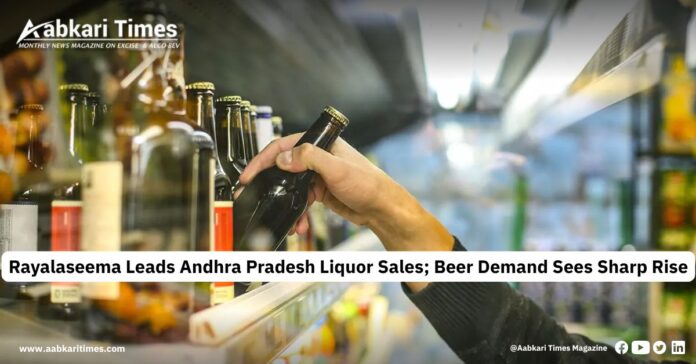
Rayalaseema Leads Andhra Pradesh Liquor Sales; Beer Demand Sees Sharp Rise

0

The Rayalaseema region has emerged as the biggest contributor to liquor sales in Andhra Pradesh during the 2025–26 financial year, with five of its districts ranking among the top ten in the state.

According to excise department data, Sri Sathya Sai district recorded the highest liquor revenue, while Kurnool stood third. Along with Chittoor, these districts also exceeded their annual revenue targets, each achieving over 100% of their goals.

Beer consumption jumps significantly

Beer sales have seen a major surge across the state this year. Total sales grew by 77.32%, rising from 1.16 crore cases last year to 2.06 crore cases in 2025–26.

Officials noted that nearly 30% of total sales happened during January and February, indicating strong seasonal demand.

ADVERTISMENT

Revenue growth remains limited

Despite higher sales volumes, the increase in government revenue has been relatively modest. For the current financial year, the state had set a target of ₹29,500 crore. By March 9, 2026, around ₹26,623 crore had been collected—about 90% of the target.

One major reason for slower revenue growth is the shift in consumer preference towards cheaper liquor options. The ₹99-priced 180 ml bottles have gained popularity and now account for 18% of the market, leading to an estimated ₹467 crore loss in revenue.

Additionally, a reduction in the maximum retail prices (MRP) of several popular liquor brands has further impacted collections, causing an estimated ₹992 crore shortfall. The average price of a 180 ml bottle has dropped from ₹180 last year to ₹160 this year.

Overall excise income declines

While liquor sales revenue grew by 5.87%, the state’s total excise income declined due to a sharp fall in licence fees and related earnings. Last year, the government earned around ₹1,900 crore from such fees, which did not materialise this year, resulting in a 22.77% drop in total income.

Top performing districts (2025–26)

  • Sri Sathya Sai – 112% of target achieved
  • Paderu – 112%
  • Kurnool – 111%
  • Chittoor – 106%
  • NTR district – 98%
  • Anantapur – 97%

Conclusion

The data highlights two key trends in Andhra Pradesh’s liquor market: strong growth in consumption—especially beer—and a shift towards lower-priced products. While demand is rising, pricing changes and consumer preferences are putting pressure on overall government revenue.

Rayalaseema Leads Andhra Pradesh Liquor Sales; Beer Demand Sees Sharp Rise

0

The Rayalaseema region has emerged as the biggest contributor to liquor sales in Andhra Pradesh during the 2025–26 financial year, with five of its districts ranking among the top ten in the state.

According to excise department data, Sri Sathya Sai district recorded the highest liquor revenue, while Kurnool stood third. Along with Chittoor, these districts also exceeded their annual revenue targets, each achieving over 100% of their goals.

Beer consumption jumps significantly

Beer sales have seen a major surge across the state this year. Total sales grew by 77.32%, rising from 1.16 crore cases last year to 2.06 crore cases in 2025–26.

Officials noted that nearly 30% of total sales happened during January and February, indicating strong seasonal demand.

ADVERTISMENT

Revenue growth remains limited

Despite higher sales volumes, the increase in government revenue has been relatively modest. For the current financial year, the state had set a target of ₹29,500 crore. By March 9, 2026, around ₹26,623 crore had been collected—about 90% of the target.

One major reason for slower revenue growth is the shift in consumer preference towards cheaper liquor options. The ₹99-priced 180 ml bottles have gained popularity and now account for 18% of the market, leading to an estimated ₹467 crore loss in revenue.

Additionally, a reduction in the maximum retail prices (MRP) of several popular liquor brands has further impacted collections, causing an estimated ₹992 crore shortfall. The average price of a 180 ml bottle has dropped from ₹180 last year to ₹160 this year.

Overall excise income declines

While liquor sales revenue grew by 5.87%, the state’s total excise income declined due to a sharp fall in licence fees and related earnings. Last year, the government earned around ₹1,900 crore from such fees, which did not materialise this year, resulting in a 22.77% drop in total income.

Top performing districts (2025–26)

  • Sri Sathya Sai – 112% of target achieved
  • Paderu – 112%
  • Kurnool – 111%
  • Chittoor – 106%
  • NTR district – 98%
  • Anantapur – 97%

Conclusion

The data highlights two key trends in Andhra Pradesh’s liquor market: strong growth in consumption—especially beer—and a shift towards lower-priced products. While demand is rising, pricing changes and consumer preferences are putting pressure on overall government revenue.

Social Media Auto Publish Powered By : XYZScripts.com