
Liquor companies challenge Maharashtra’s MML policy in Bombay High Court
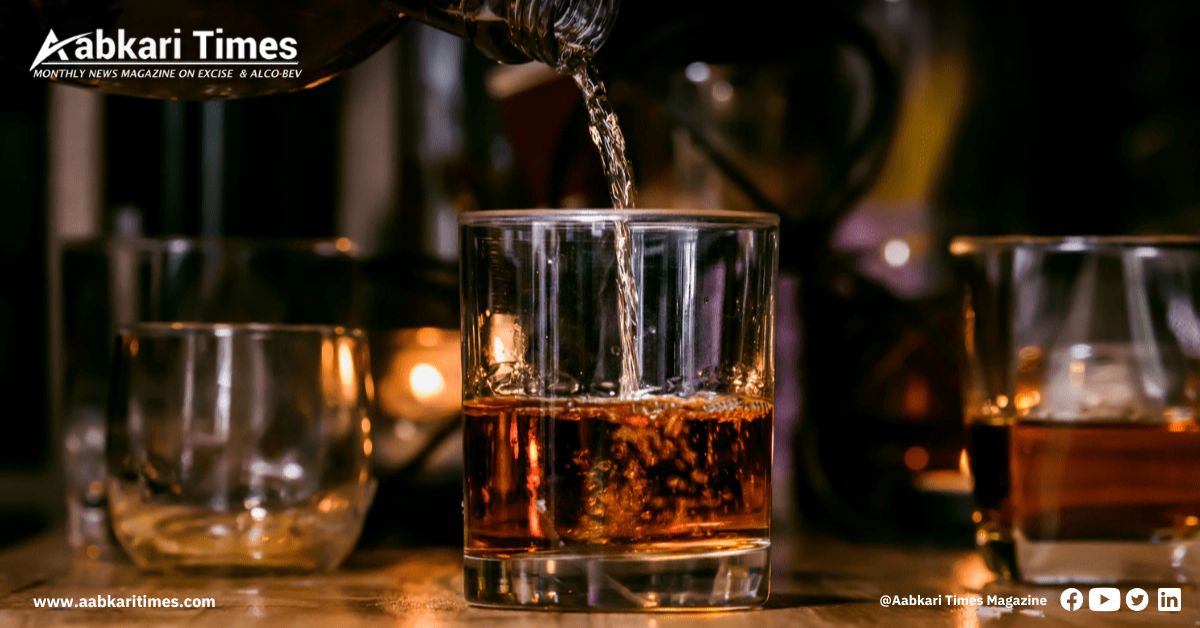
Leading liquor makers United Spirits, Bacardi India, and John Distilleries have approached the Bombay High Court against Maharashtra’s new Maharashtra Made Liquor (MML) policy, arguing that it is unfair and discriminatory.
The companies have challenged a government resolution issued on August 7, 2025, which lays down the rules for producing MML. According to them, the policy limits who can manufacture this new category of liquor and creates an uneven playing field within the industry.
In their petitions, the companies have asked the court to either cancel the entire resolution or remove specific clauses that define eligibility for MML production. They claim these conditions are too restrictive and exclude many existing licence holders who are already operating distilleries in the state.
→ Guala Closures Upgrades Alusnap Caps with Tamper-Evident Technology to Fight Spirits Counterfeiting→ Andhra Pradesh Government Extends Liquor Shop Renewal Deadline to September 23
The main issue raised is that only a select group of Potable Liquor Licence (PLL) holders are allowed to produce MML, while others with similar licences are left out. The companies argue that there is no clear or logical reason for this distinction.
They have also said the policy violates Article 14 of the Indian Constitution, which guarantees equality before the law. According to them, the classification of eligible and ineligible manufacturers is arbitrary and does not support the government’s stated goals of increasing revenue, investment, and employment.
Additionally, the petitions claim that the policy puts unnecessary restrictions on trade and business. The companies have requested the court to direct authorities to process their applications for MML production and label approvals without applying the disputed rules.
Background of the policy
The MML policy originated from a January 2025 decision by the Maharashtra government to form a committee to boost excise revenue. In April 2025, the committee recommended creating a new category of liquor that would be produced only within the state.
Following this, the government increased excise duty on Indian Made Foreign Liquor (IMFL) in mid-2025 and introduced the MML category with its own pricing and duty structure. The detailed eligibility rules were later issued in August.
Earlier legal challenge
This is not the first time the policy has been challenged. Earlier, the International Spirits and Wine Association of India (ISWA) had also taken the matter to court on behalf of global liquor companies.
At that time, the state government defended the policy, saying it was aimed at supporting local manufacturers and reviving unused production capacity. It also pointed to a nearly 17% rise in excise revenue between July and November 2025 after the policy rollout.
In November 2025, the High Court allowed the government to proceed with preparatory steps for implementing the policy, but made it clear that everything would depend on the final outcome of the case.