
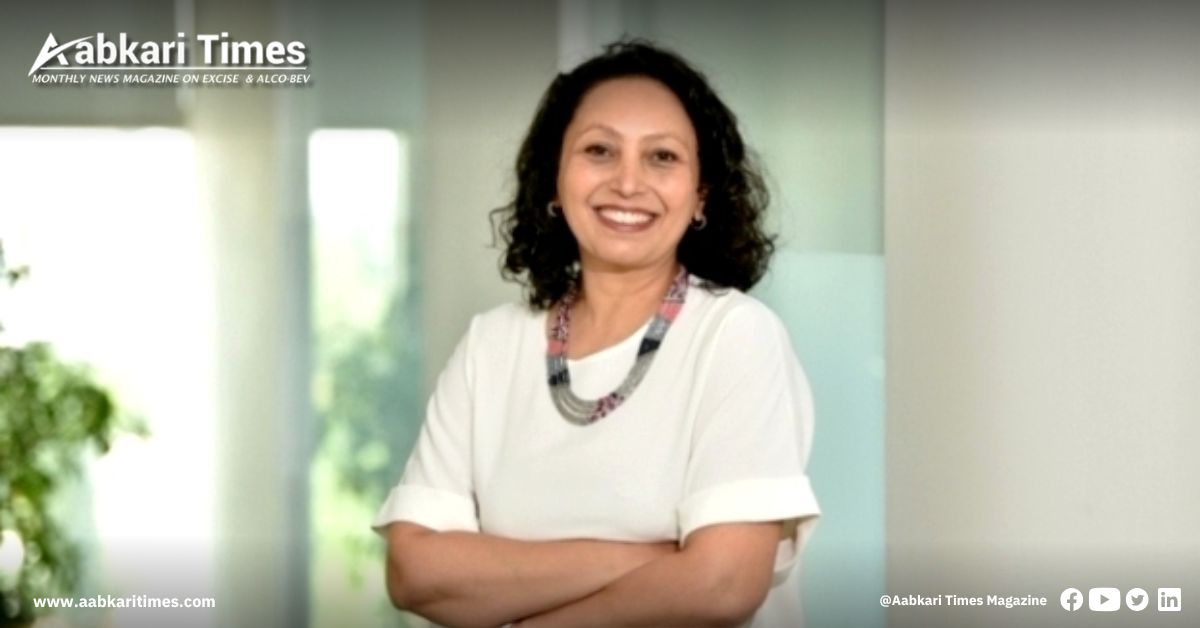
Ruchira Jaitly, Chief Marketing Officer at Diageo India, believes that the future of India’s alco-beverage industry will be defined by cultural understanding, experiential marketing, and the smart use of technology.
Changing consumer mindset
India’s alcohol market has evolved significantly over the years. Earlier, drinking was largely seen as a male-dominated activity. But today, with a younger population and changing social norms, alcohol is increasingly viewed as part of lifestyle and personal identity rather than just status or bravado.
Jaitly points out that this shift is being driven by first-generation consumers, especially young Indians, who value authenticity and self-expression.
→ TASMAC Introduces Demand-Based Liquor Supply System to Improve Brand Availability in Tamil Nadu→ New Home-Grown Brands Target Bigger Share of India’s $50 Billion Alcobev Market
From stereotypes to real stories
In the past, alcohol advertising in India focused heavily on male bonding and traditional stereotypes. Today, that approach is changing. Modern campaigns highlight inclusivity, friendships, emotional openness, and culturally rooted experiences.
According to Jaitly, this transformation is not just about showing more diversity, but about changing perspectives. At Diageo, the focus is on “un-stereotyping” — portraying both men and women as more real, layered, and relatable individuals.
However, she warns that brands must avoid “performative inclusivity,” where diversity is used only as a trend rather than a genuine commitment.

Beyond metro cities: the next growth wave
Growth in alcohol consumption is now coming increasingly from Tier II and Tier III cities. Jaitly emphasises that brands must adapt to local cultures rather than simply applying metro-style messaging.
She notes that successful storytelling in these markets should feel familiar and relatable first, and progressive later. Imposing ideas without understanding local context can backfire.
Marketing strategy: digital + experiences
Diageo’s marketing approach is built around the entire consumer journey—from discovery to experience and engagement.
- Digital platforms help with targeted communication, personalisation, and quick experimentation.
- Experiential marketing—like bar activations, music festivals, and live events—plays a key role because alcohol is a sensory category.
- Owned platforms like “The Bar” help consumers explore products, flavours, and drinking occasions in a more informed and responsible way.
The company is also investing in industry initiatives like training platforms and craft-focused programmes to build a stronger ecosystem.
Dealing with platform risks
With growing reliance on digital platforms and influencers, brands face risks related to algorithms, platform policies, and creator behaviour.
Jaitly says the solution is balance—brands should not depend entirely on one channel. Instead, they should combine digital content with real-world experiences, partnerships, and owned platforms to maintain control and consistency.
Role of AI in marketing
Artificial Intelligence is already transforming marketing, especially in areas like audience targeting and campaign efficiency.
Jaitly believes AI will enable deeper personalisation and better consumer experiences. For example, tools that recommend drinks based on individual taste preferences can make the category more accessible.
However, she stresses that AI cannot replace human judgment. Cultural understanding, emotional connection, and ethical decisions will always require human insight.
Rise of experiential and “phygital” marketing
Experiential marketing is becoming central to brand building. In the coming years, especially in smaller cities, experiences will become more local, accessible, and frequent.
“Phygital” (physical + digital) experiences will play a big role—combining real-world events with digital layers to enhance engagement and collect meaningful consumer insights.
Future of alcobev marketing
Looking ahead to 2030, Jaitly expects alcohol marketing to move away from single-channel strategies to integrated ecosystems that combine digital, creators, events, and cultural partnerships.
She also highlights emerging challenges beyond regulation, such as:
- Audience fatigue
- Cultural fragmentation
- Increasing consumer scepticism
In this environment, building trust will become more important than simply gaining visibility.
The evolving role of CMOs
Jaitly says the role of a Chief Marketing Officer is expanding beyond traditional marketing. Today’s CMOs are deeply involved in business growth, digital transformation, and strategy.
By 2030, many CMOs are likely to move into broader leadership roles, including general management, due to their strong understanding of consumers and business outcomes.
To stay relevant, CMOs are focusing on:
- Business and financial understanding
- Data and technology skills (including AI)
- Cross-functional leadership
- Strong ethical and cultural judgment
Conclusion
Ruchira Jaitly believes the future of alcobev marketing in India will depend on how well brands understand culture, build meaningful experiences, and use technology responsibly.
Brands that stay authentic, locally relevant, and consumer-focused will be the ones that succeed in the coming decade.
About the Author