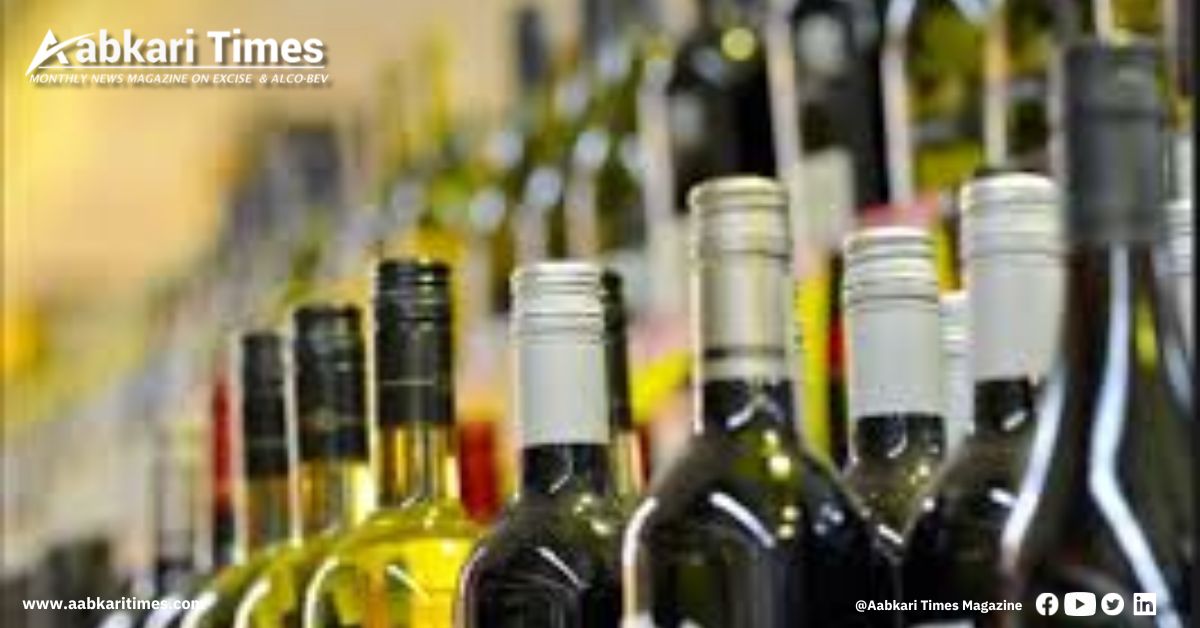
Srinagar: Jammu and Kashmir Chief Minister Omar Abdullah has made it clear that the government has no plans to impose a liquor ban in the Union Territory. He said that prohibition could create more problems than solutions, including illegal trade, health risks, and economic losses.
His remarks come amid growing demands for a complete ban on alcohol from J&K Grand Mufti Nasir-ul-Islam and PDP chief and former Chief Minister Mehbooba Mufti.
Responding to a question by BJP MLA Balwant Singh Mankotia in the Assembly, Omar Abdullah — who also holds the finance portfolio — said banning alcohol could lead to large-scale smuggling from neighbouring states and Union Territories.
→ Guala Closures Upgrades Alusnap Caps with Tamper-Evident Technology to Fight Spirits Counterfeiting→ Andhra Pradesh Government Extends Liquor Shop Renewal Deadline to September 23
He warned that prohibition often leads to a rise in illegal brewing and sale of spurious liquor, which can pose serious risks to public health. Citing official data, the Chief Minister noted that authorities had destroyed 13.65 lakh kg of lahan (raw material used for illicit liquor) and 16,300 litres of illegal alcohol during 2024–25 and 2025–26. This, he said, shows the scale of the problem already being tackled.
Omar also cautioned that a ban could strengthen liquor mafias and underground networks, potentially encouraging money laundering and hawala activities that could impact both the economy and security.
He added that thousands of people — particularly young workers — are employed in sectors linked to the liquor trade, including manufacturing, wholesale, retail, hospitality, and transport. A ban, he said, would put many of these livelihoods at risk. Industries such as bottle manufacturing could also suffer due to reduced demand.
Tourism is another major concern. The Chief Minister said many tourists expect access to alcohol during their visits, and banning it could push visitors toward neighbouring states. Hotels, restaurants, and resorts often depend on liquor sales for revenue, and the absence of such facilities could affect occupancy and earnings.
Omar Abdullah emphasized that alcohol regulation involves complex social, economic, ethical, and public health considerations. He said taxation on alcohol serves two purposes — generating revenue and discouraging excessive consumption.
At the same time, he acknowledged concerns about substance abuse, stating that liquor and drugs are harming society. While the government is taking action against drug abuse, he suggested that alcohol policy must be handled carefully, keeping all factors in mind.
According to official data, Kashmir generated excise revenue of ₹18,448.50 lakh over the past two years, despite being a predominantly Muslim region where alcohol consumption remains socially and religiously sensitive.
Meanwhile, reacting to rising alcohol use, Grand Mufti Nasir-ul-Islam has renewed his call for a complete ban on liquor in Jammu and Kashmir.
About the Author