February 2, 2026
As music echoes across the rolling vineyards of Nashik and thousands of visitors soak in the atmosphere, it’s evident that Sulafest is no longer just a wine-and-music festival. What began 15 years ago as a niche gathering has grown into one of India’s most recognisable cultural events, blending music, travel, wine, and a laid-back lifestyle.
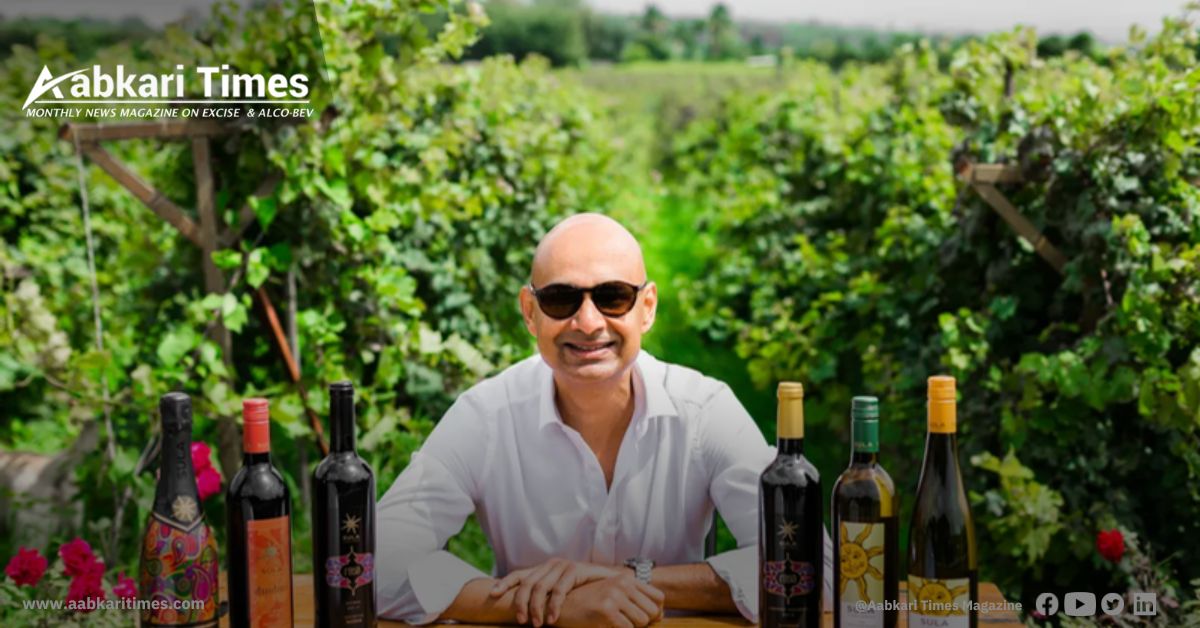
With Sulafest marking its 15th edition and Sula Vineyards completing 26 years, CEO Rajeev Samant reflects on how the festival has expanded without losing its essence. In a candid conversation, he talks about prioritising experience over scale, promoting Indian artists, moving towards low-alcohol consumption, and why wine tourism is becoming the company’s fastest-growing business.
Sulafest’s evolving identity
According to Samant, Sulafest has clearly become a cultural landmark. Interestingly, even though the festival space is now slightly smaller than it was a few years ago, ticket sales are higher than ever.
“We deliberately cap attendance for safety and quality,” he says. The festival sold out last year and again this year, with 8,000–10,000 tickets, making it one of the few music festivals in India to sell out two years in a row.
Focus on Indian artists
Switching to an almost entirely Indian line-up was a conscious decision—and one that paid off. Last year featured only Indian performers, and Samant says there wasn’t a single complaint.
“It shows how much India’s music scene has matured,” he explains. Rising costs and logistics have also made international acts harder to manage, but more importantly, audiences no longer feel the need for foreign names.
Lower alcohol, better vibe
Another major shift at Sulafest has been the move away from spirits. Since COVID, the festival has limited alcohol options to wine and beer.
“Eight hours of hard liquor doesn’t make sense,” Samant says. “Wine, water, beer—that balance keeps the mood calmer.” According to him, lower alcohol consumption has noticeably improved the overall atmosphere, making the festival more relaxed and peaceful.
Letting the team lead
Samant admits he is now mostly hands-off when it comes to organising the festival. After offering initial guidance, he steps back and lets the in-house team manage everything.
Apart from specialised sound, staging, and artist coordination, Sulafest is run almost entirely internally—a model Samant sees as a strong team-building exercise.
How Indian wine drinkers are changing
Sula currently holds over 65% of India’s domestic wine market by value, and Samant says the biggest change over the last decade has been geography.
Earlier, wine sales were concentrated in cities like Mumbai and Pune. Today, Nashik, Nagpur, Aurangabad, Kolhapur, and even smaller towns are emerging as strong markets. Wine consumption is also spreading beyond metros like Bengaluru.
Younger consumers, he adds, are more curious and better informed, and the availability of quality Indian wine has improved significantly.
From mass-market to premium wines
Sula’s portfolio has grown dramatically. While its entry-level wines are produced at scale and meant for everyday consumption, premium labels like The Source and RASA focus heavily on craftsmanship.
RASA wines, priced at ₹1,800–2,000, spend months ageing in oak, including French oak. “These are not ultra-expensive European wines,” Samant says, “but they can easily hold their own in blind tastings anywhere in the world.”
Balancing scale and craftsmanship
In FY25, Sula crushed over 11,000 tonnes of grapes, but Samant explains that different price segments need different production approaches. Entry-level wines follow a more standardised process, while premium wines involve close, hands-on attention from winemakers.
Strong ties with grape growers
Grower partnerships form the backbone of Sula’s operations. Only about 5% of grapes come from Sula’s own vineyards, mainly for its top-end wines. The rest are sourced through long-term contracts with farmers across Maharashtra, Karnataka, and nearby regions.
Different climates suit different grapes—cooler Nashik for whites, warmer regions for reds—and much of this strategy has evolved through experimentation.
Commitment to sustainability
Sustainability is now a major focus for Sula. Around 70% of its operations are solar-powered, with plans to reach 100%. The company is also investing in battery storage to use solar power during evening hours.
Sula has reduced bottle weight by 15–20% over five years and sources nearly all packaging materials locally, cutting down its carbon footprint significantly.
Challenges for Indian wine
The biggest challenge, Samant says, is expanding wine consumption in a country long dominated by whisky. Regulatory hurdles and varying state laws also make growth difficult.
Despite being the world’s most visited vineyard with nearly 3.5 lakh visitors annually, he believes India needs more wine festivals—something state regulations currently make difficult.
Wine tourism: the future growth engine
While overall wine sales have slowed, wine tourism is growing in double digits for Sula. The company plans to invest heavily in expanding its Nashik campus and is also exploring new locations.

The Aabkari(Abkari) Times magazine occupies a unique niche in the Indian media landscape. As the only Hindi monthly magazine dedicated to alcohol, liquor, excise, and allied industries, it caters to a specific audience with a specialized knowledge base.